How Quality Painting Can Reduce Long-Term Property Maintenance Costs
A fresh coat of paint often gets treated as a cosmetic upgrade, something you do to make a property look better before selling or simply because it's looking tired. At Yves De Wilde - Quality Painting Service, we see it differently, and so do most experienced painters in Lismore: quality paintwork is genuinely one of the more effective, lower-cost ways to protect a property from bigger maintenance bills down the track.
Here's how proper painting works as preventative maintenance, not just a finishing touch, and why cutting corners on it tends to cost more in the long run.
Why Painting Is A Maintenance Investment, Not Just An Upgrade
Paint isn't only about colour and appearance. It's also a protective barrier between your building materials and the environment they're constantly exposed to. Once that barrier starts breaking down, whatever's underneath, be it timber, render, plaster or metal, is left exposed to moisture, UV and general wear far sooner than it should be.
Thinking of painting as maintenance rather than decoration changes how you approach the decision. It's not a question of whether you can put it off a little longer, it's a question of what you're risking underneath the surface every extra year you wait.
How Paint Protects Your Property From Moisture, UV And Everyday Wear
Quality paintwork does a lot of quiet, unglamorous work protecting a building. It seals surfaces against moisture, which is one of the most damaging things a property can be exposed to over time since trapped or penetrating moisture leads to rot, mould and structural deterioration well beyond what a simple repaint can fix once it's taken hold.
UV exposure is another constant threat, particularly on exterior surfaces facing direct sun for much of the day. Without adequate protection, UV breaks down building materials and finishes over time, leading to fading, cracking and general degradation. A properly applied paint system helps absorb and deflect this exposure, protecting the surface underneath rather than leaving it to bear the full brunt of the sun.
Everyday wear, from general weathering to minor knocks and scuffs, also takes its toll gradually. A well-maintained paint finish handles this kind of wear far better than a neglected one, where compromised paint no longer offers the same layer of protection.
The Role Of Surface Preparation In A Long-Lasting Finish
If there's one factor that determines how long a paint job actually lasts, it's surface preparation. Paint applied over a poorly prepared surface, one with existing damage, contamination or inadequate priming, will fail far sooner than the same paint applied properly regardless of how good the paint itself is.
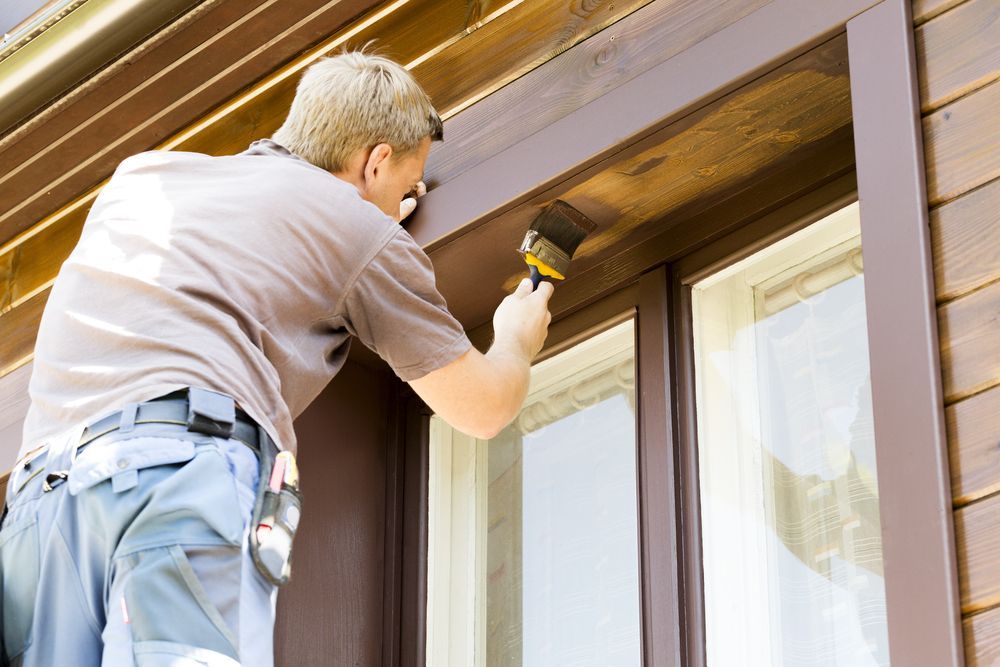
Proper surface preparation typically involves cleaning the surface thoroughly, addressing any existing damage or deterioration, sanding back and repairing where needed and applying appropriate primers before the topcoat goes on. Skipping or rushing this stage is one of the most common reasons a paint job underperforms, showing signs of peeling, cracking or failure well before it should.
This is also where the gap between a professional job and a lower-cost, rushed alternative tends to show up most clearly, not in how the finish looks on day one, but in how it holds up over the following years.
Premium Paint Products Vs Budget Alternatives: What's The Real Difference?
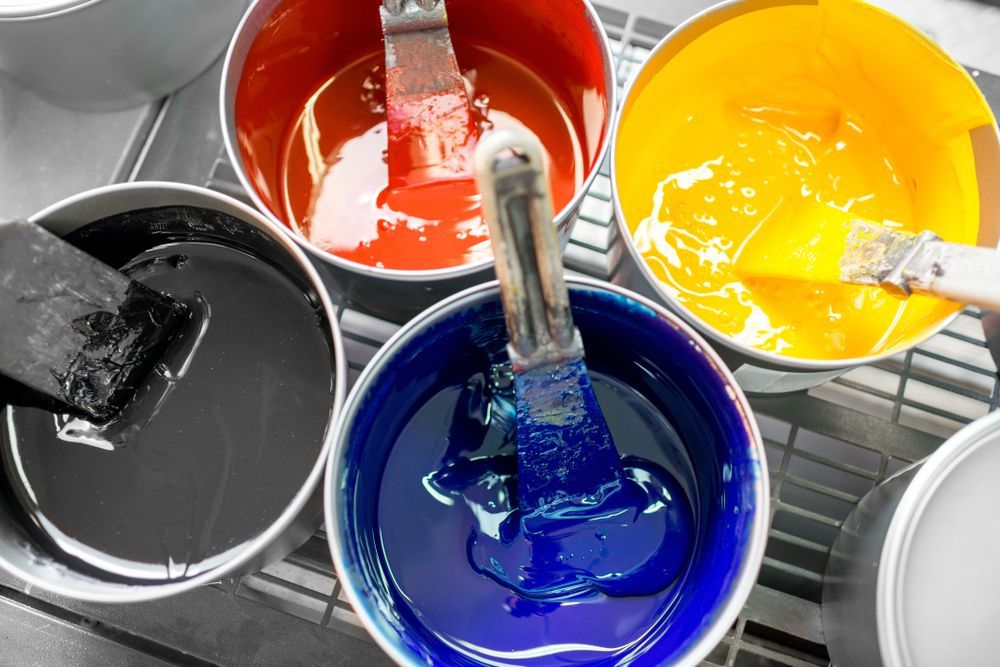
Not all paint is created equal, and the difference between premium and budget products tends to show up in durability rather than immediate appearance. Premium paints are generally formulated with better resistance to UV, moisture and general wear, meaning they hold their protective properties and appearance for longer before needing attention again.
Budget paint might look comparable when freshly applied, but it often breaks down faster under sun exposure and weathering, requiring more frequent repainting to maintain the same level of protection. Over several repaint cycles, this can end up costing more overall than choosing a quality product from the outset, simply because you're repainting more often to achieve the same result.
Scheduled Repainting Vs Reactive Repairs: Comparing The Costs
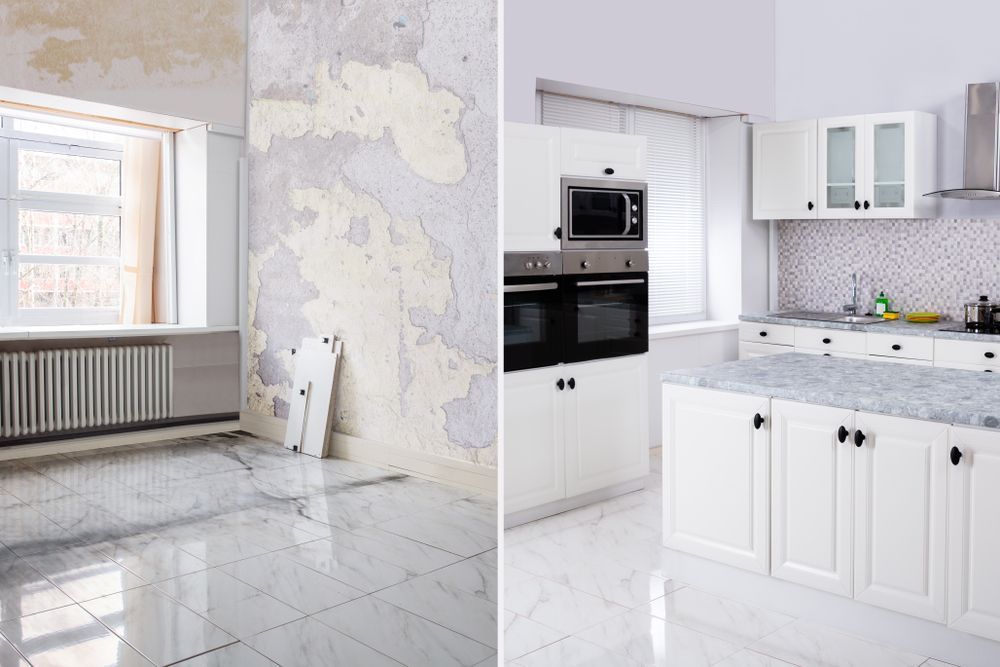
There's a meaningful difference between repainting on a sensible, proactive schedule and waiting until damage forces your hand. Scheduled repainting addresses wear while it's still manageable, refreshing the protective barrier before it's fully compromised. Reactive repair, by contrast, usually means dealing with damage that's already occurred, rot, structural deterioration or extensive surface failure, which costs considerably more to fix than a straightforward repaint would have.
This is really the core financial argument for treating painting as maintenance rather than an occasional cosmetic decision. The
cost of a scheduled repaint is predictable and manageable. The cost of reactive repair, after neglected paintwork has allowed underlying damage to take hold, is often significantly higher and far less predictable.
How Often Should You Paint Your House
There's no single answer that applies to every property, since it depends on the surface material, the paint quality originally used, the property's exposure to sun and weather and how well it's been maintained in between. Exterior surfaces facing harsh sun or coastal conditions generally need attention sooner than more sheltered surfaces, and interior surfaces in low-wear areas can often go considerably longer between coats than high-traffic commercial spaces.
Rather than working to a fixed timeline, it's worth having your property properly assessed to determine when repainting makes actual sense for your specific situation, factoring in the paint's current condition rather than just how many years have passed since the last coat.
Signs It's Time To Repaint
A few warning signs are worth watching for, since they generally indicate the protective barrier is starting to fail rather than just looking a little dated:
- Cracking or flaking paint, which exposes the surface underneath to moisture and UV
- Fading, particularly on exterior surfaces, which can indicate the paint's protective properties are breaking down
- Bubbling or blistering, often a sign of moisture getting underneath the paint layer
- Chalking, a powdery residue on the surface that indicates the paint is deteriorating
- Visible surface damage, such as small areas of rot or deterioration starting to show through
Catching these signs early and addressing them with a proper repaint tends to be far more cost-effective than waiting until the underlying damage has spread.
Choosing Experienced Painters For Long-Term Value
The value of hiring experienced painters isn't really about the finish on day one, it's about how that finish performs over the following years. Proper surface preparation, correct product selection for the specific surface and exposure, and skilled application all contribute to a paint job that protects your property for longer, rather than one that looks fine initially but fails prematurely.
For property managers, landlords and commercial property owners managing multiple properties or larger buildings, this distinction matters even more, since the cost of repeated, premature repainting across a portfolio adds up considerably faster than getting the job done properly the first time.
If you're weighing up repainting for your home or commercial property, working with painters in Lismore who understand proper preparation and product selection is worth the investment compared with a lower-cost, short-term alternative that may need redoing far sooner than expected.
Get in touch with Yves De Wilde - Quality Painting Service to talk through the right approach and timing for your property, and how a properly planned repaint can protect your investment for years to come.
Frequently Asked Questions