How Exterior Paint Protects Your Home From Moisture Damage
It is easy to think of exterior paint as purely decorative, something that improves how a home looks from the street. In reality, it plays a far more important role in protecting the structure beneath. Exterior paint in Byron Bay acts as a barrier between your home and the elements, helping to limit how much moisture can penetrate surfaces over time. Without this protection, even minor exposure to rain, humidity, and condensation can gradually lead to deterioration.
Moisture damage rarely happens all at once. It builds slowly, often going unnoticed until visible issues appear. By understanding how exterior painting contributes to long-term protection, we can take a more proactive approach to maintaining the condition of a home and avoiding unnecessary repairs.
More Than Colour: How Exterior Paint Forms a Protective Barrier Against Moisture
Exterior paint is designed to do more than provide colour. It creates a sealed coating over surfaces, helping to reduce the amount of moisture that can enter materials such as timber, render, and masonry. This barrier plays a critical role in protecting structural elements from water-related damage.
When applied correctly, paint helps create a consistent and reliable protective layer that performs across changing conditions.
- Paint limits water absorption into porous materials
- Sealed surfaces are less prone to swelling or warping
- Even coverage reduces gaps where moisture can enter
- Protective coatings help preserve the condition of external finishes
- A well-applied system supports long-term durability
Professional application ensures the coating performs as intended over time.
What Happens When Moisture Seeps into Unprotected Surfaces
When exterior surfaces are left exposed or the paint system begins to break down, moisture can slowly penetrate the material. This process often starts subtly, making it easy to overlook in the early stages.
Over time, however, the effects can become more noticeable and more difficult to address.
- Timber can absorb water, leading to swelling and eventual decay
- Mould and mildew may develop in damp or shaded areas
- Paint can bubble, peel, or crack as moisture builds beneath the surface
- Structural materials may weaken with ongoing exposure
- Internal walls may eventually show signs of dampness
These types of issues often require more than a simple repaint, which is why maintaining a strong exterior coating is so important.
Surface Preparation: the Critical First Step Painters Take to Prevent Moisture Damage
Preparation is one of the most important stages in any exterior painting project. Without proper preparation, even high-quality paint may fail to adhere correctly or provide adequate protection.
Professional painters focus on creating a stable surface before applying any coatings, ensuring the final result is both durable and effective.
- Cleaning removes dirt, salt, and contaminants that interfere with adhesion
- Sanding smooths surfaces and removes loose or flaking paint
- Filling cracks and gaps prevents water from entering vulnerable areas
- Priming improves adhesion and enhances the durability of the paint system
- Surface repairs address underlying issues before painting begins
A structured preparation process, often outlined by experienced teams, helps ensure that each layer of paint performs consistently.
Choosing the Right Exterior Paint for Long-Term Weather Resistance
Not all exterior paints offer the same level of protection. The type of paint selected can significantly influence how well a surface resists moisture and environmental exposure.
Professional painters consider several factors when choosing the most suitable product for each surface.
- Weather-resistant paints are formulated to withstand rain and humidity
- Flexible coatings allow for expansion and contraction with temperature changes
- Breathable paints enable trapped moisture to escape without causing damage
- High-quality finishes provide longer-lasting coverage
- UV-resistant properties help maintain the integrity of the coating
Selecting the correct materials ensures that the protective barrier remains effective throughout seasonal changes and ongoing exposure.
How Professional Application Techniques Improve Water Resistance
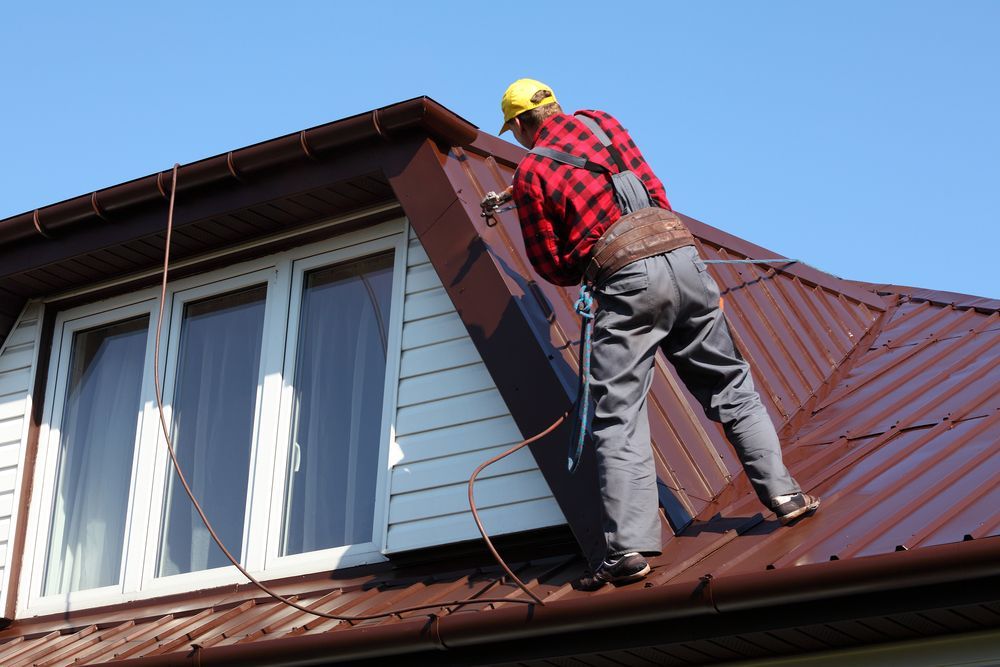
The effectiveness of exterior paint is not only determined by the product used but also by how it is applied. Professional painters use specific techniques to ensure consistent coverage and strong adhesion.
This attention to detail helps eliminate weak points where moisture could enter.
- Multiple coats create a stronger and more uniform barrier
- Even application prevents thin or patchy areas
- Correct drying times allow each layer to cure properly
- Careful detailing around edges and joints ensures full coverage
- Professional tools improve consistency across all surfaces
Using experienced painters helps ensure that each stage of application contributes to a reliable moisture-resistant finish.
Common Signs Your Exterior Paint is no Longer Protecting Your Home
Over time, exterior paint will naturally wear down due to exposure to weather conditions. Recognising when it is no longer providing adequate protection is essential in preventing moisture damage.
These signs often indicate that the protective layer has begun to fail.
- Peeling or flaking paint exposes the surface underneath
- Cracks allow moisture to penetrate into materials
- Fading can suggest the breakdown of protective properties
- Bubbling may indicate trapped moisture beneath the coating
- Discolouration can signal prolonged exposure to damp conditions
Identifying these warning signs early allows for timely maintenance and reduces the risk of more extensive damage.
Preventative Maintenance: Extending the Life of Your Exterior Paintwork
Regular maintenance helps preserve the effectiveness of exterior paint and reduces the likelihood of moisture-related problems. Small issues can often be addressed quickly if they are identified early.
A proactive approach helps maintain the protective barrier over time.
- Routine inspections help detect early signs of wear
- Touch-ups prevent minor damage from spreading
- Cleaning removes contaminants that affect performance
- Re-sealing problem areas improves resistance to moisture
- Scheduled maintenance supports long-term durability
Ongoing care ensures that the paint continues to perform as a protective layer rather than simply a surface finish.
Why Timely Exterior Painting Helps Avoid Costly Moisture-Related Repairs
Delaying repainting can allow moisture to gradually affect the structure of a home. What begins as minor surface wear can develop into more complex and expensive issues if left untreated.
Timely exterior painting helps manage these risks before they escalate.
- Protects timber and other materials from prolonged exposure
- Reduces the likelihood of mould and damp-related problems
- Prevents deterioration that may require extensive repairs
- Maintains the overall condition and value of the property
- Supports a consistent and well-maintained exterior appearance
By repainting at the right time, we can manage maintenance more effectively and avoid unnecessary structural repairs.
We at Yves De Wilde - Quality Painting Service understand how coastal conditions in Byron Bay can expose homes to ongoing moisture, salt air, and changing weather. Our exterior painting Byron Bay services focus on creating a durable protective barrier that helps reduce the risk of long-term damage. Get in touch and arrange a service with a trusted painter Byron Bay team.