Common Painting Mistakes That Reduce The Paint's Lifespan
A fresh coat of paint can significantly improve a property’s appearance while also protecting surfaces from moisture, UV exposure and everyday wear. However, many paint jobs begin to deteriorate much earlier than expected. Peeling edges, bubbling surfaces and uneven fading are often the result of preventable errors rather than faulty products. Understanding common painting mistakes to avoid helps property owners protect their investment and reduce the likelihood of premature repainting.
Paint serves as more than decoration. It acts as a protective barrier for timber, plaster, render and other building materials. When preparation or application is rushed, that barrier weakens. This article outlines the most common painting mistakes that shorten paint lifespan and explains how working with experienced painters in Lismore supports longer-lasting results.
Skipping Proper Surface Preparation
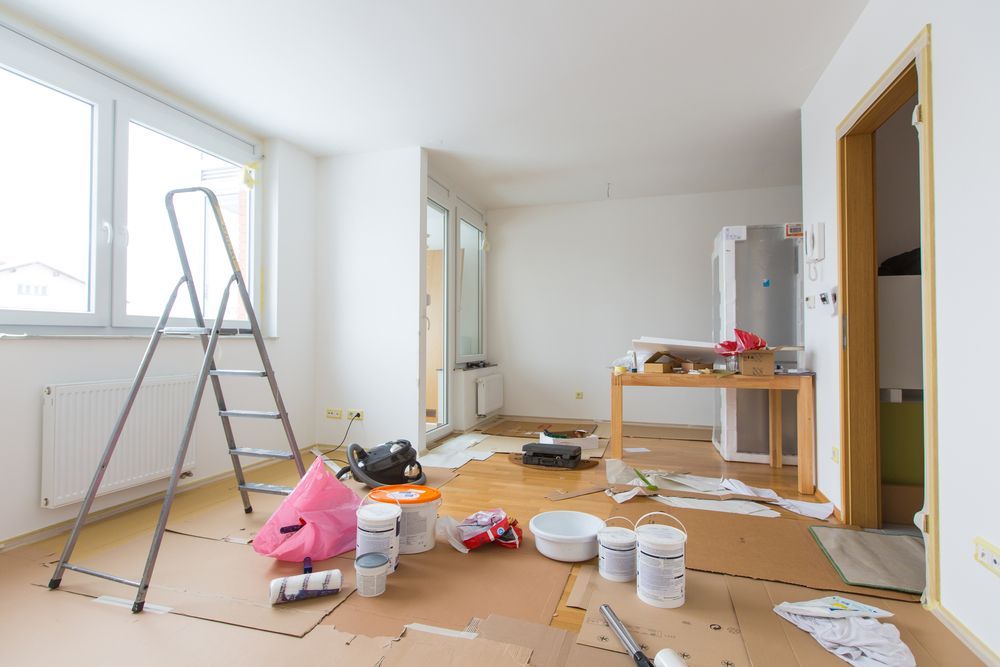
Preparation is the foundation of any durable paint job. Surfaces must be clean, stable and properly prepared for paint to adhere effectively. When this step is rushed or overlooked, even high-quality paint can fail quickly. Proper preparation typically includes:
- Washing down walls to remove dirt, grease and contaminants
- Scraping off loose or flaking paint
- Sanding glossy areas to improve adhesion
- Filling cracks, gaps or surface imperfections
Without these steps, paint may initially look smooth but can begin peeling or blistering within months. Thorough preparation ensures the coating bonds correctly and performs as intended over time.
Painting Over Damp or Moist Surfaces
Moisture trapped beneath paint is one of the most common causes of premature failure. Applying paint to damp surfaces seals in moisture that later forces its way outward, resulting in bubbling or peeling. Moisture-related mistakes often occur when:
- Exterior walls are painted too soon after rainfall
- Surfaces are coated before fully drying after cleaning
- Minor leaks or water ingress are ignored
Humidity levels also influence curing time. Skilled painters in Lismore assess moisture conditions carefully before beginning work to ensure surfaces are completely dry.
Choosing the Wrong Paint for the Environment
Paint formulations vary depending on their intended use. Selecting a product unsuitable for the surface or environment can reduce lifespan significantly. Common selection mistakes include:
- Using interior paint outdoors
- Choosing flat finishes in moisture-prone rooms
- Applying incompatible coatings over existing paint
Exterior paint must withstand UV exposure and temperature changes, while interior areas such as kitchens and bathrooms require moisture resistance. Correct product selection is essential for durability.
Skipping Primer When It Is Required
Primer plays an important role in sealing porous surfaces and improving adhesion. Skipping primer may save time initially, but it often compromises long-term performance.
Primer is particularly important when:
- Painting new plaster or timber
- Covering repaired sections
- Transitioning from dark to lighter colours
Without primer, paint may absorb unevenly or fail to bond properly, increasing the risk of peeling.
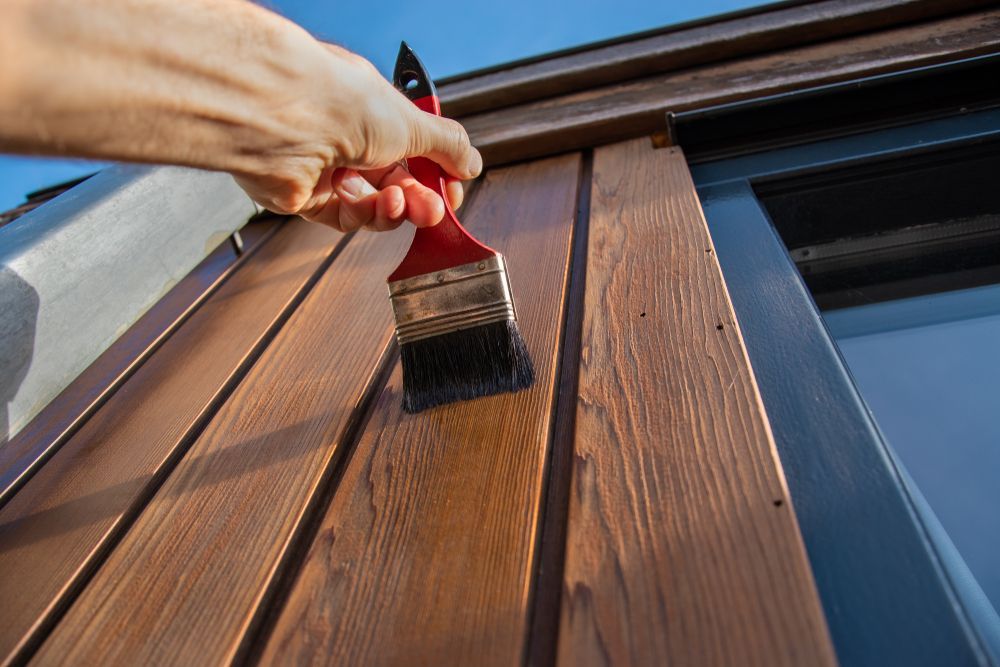
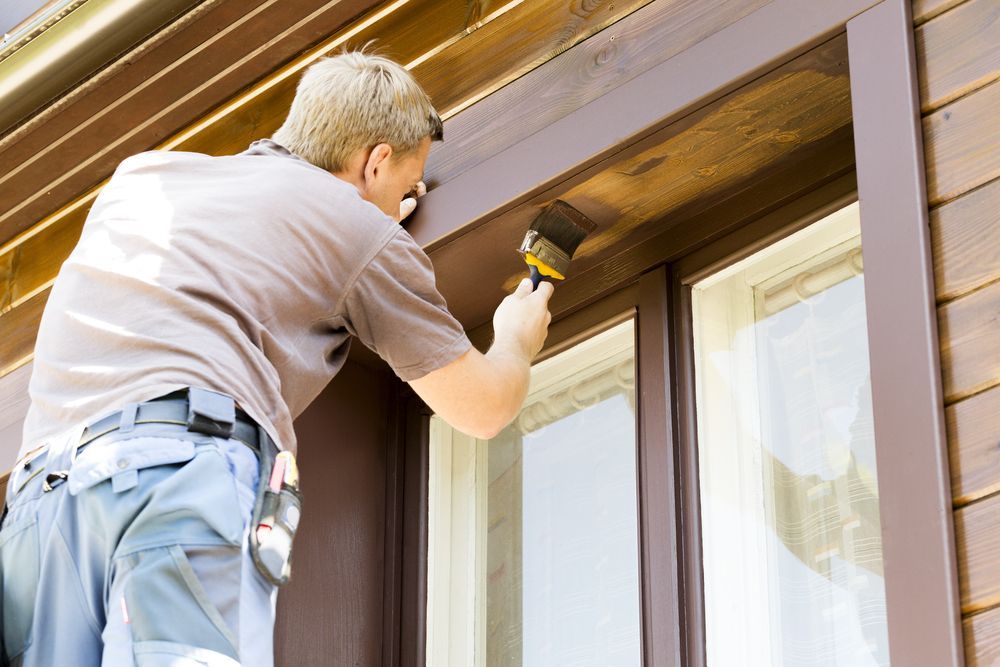
Applying Paint Incorrectly
Application technique directly affects paint performance. Applying paint too thickly can cause cracking as it dries, while stretching paint too thinly reduces its protective qualities. Application errors may include:
- Overloading rollers
- Uneven brush pressure
- Failing to maintain a consistent wet edge
Experienced painters in Lismore apply coatings evenly and at the correct thickness, ensuring consistent curing and long-term durability.
Ignoring Recoat and Drying Times
Painting is designed with specific drying and recoat intervals. Applying additional coats too quickly can weaken adhesion between layers.
Rushed recoating may result in:
- Wrinkling or lifting
- Reduced bond strength
- Uneven sheen levels
Allowing adequate drying time between coats strengthens the overall paint system and improves lifespan.
Overlooking Weather and Environmental Conditions
Weather conditions significantly influence paint performance. Painting during extreme heat, high humidity or direct sunlight can shorten lifespan.
Environmental risks include:
- Rapid drying that prevents proper bonding
- Moisture trapped beneath the coating
- Dust contamination from wind
Professional planning around suitable conditions ensures paint cures properly and adheres effectively.
Failing to Repair Underlying Damage
Paint cannot fix structural issues. Covering damaged timber, cracked render or unstable substrates without repair leads to recurring problems. Common oversights include:
- Painting over rotting timber
- Ignoring structural cracks
- Failing to stabilise flaking surfaces
Addressing underlying damage before painting protects both the surface and the coating.
Using Low-Quality Tools and Materials
The quality of tools and preparation materials can influence finish durability. Inferior brushes or rollers may leave uneven textures or insufficient coverage. Quality equipment supports:
- Even paint distribution
- Smoother finishes
- Consistent film thickness
Professional-grade materials contribute to stronger, longer-lasting results.
Attempting Complex Projects Without Experience
While smaller projects may appear manageable, larger or technically demanding work requires knowledge and planning. Surface compatibility, environmental exposure and coating must all be considered. Working with experienced painters in Lismore helps prevent:
- Adhesion failure
- Uneven weather protection
- Premature peeling or cracking
Professional painters assess each surface carefully and apply appropriate products to suit the property’s specific needs.
The Long-Term Cost of Cutting Corners
Attempting to reduce costs by skipping preparation or using unsuitable materials often results in earlier repainting. Premature paint failure may also expose structural surfaces to moisture damage. Consequences can include:
- Increased maintenance expenses
- Timber or render deterioration
- Reduced property value
Knowing the typical painting mistakes to avoid allows property owners to protect both their surfaces and their budget.
How Regular Maintenance Extends Paint Life
Even well-applied paint benefits from routine maintenance. Small issues addressed early can prevent larger problems from developing and help maximise the lifespan of the coating. Ongoing care may include:
- Washing exterior walls periodically to remove dirt and salt build-up
- Checking for minor cracks or peeling and addressing them promptly
- Monitoring high-moisture areas for early signs of mould
- Ensuring gutters and drainage systems function correctly
Regular inspections allow property owners to identify early warning signs before damage spreads beneath the surface. While quality workmanship is essential, consistent maintenance plays an equally important role in avoiding preventable deterioration. By combining proper preparation, skilled application and periodic upkeep, paint finishes remain protective and visually consistent for much longer.
Protecting Your Property with the Right Approach
A durable paint finish depends on preparation, product knowledge and careful application. Paint is an investment in both protection and presentation. When applied correctly, it shields surfaces from environmental damage and enhances long-term value.
Yves De Wilde Painting works with property owners seeking durable, well-prepared finishes. For those searching for
painters in Lismore, visit our website to
learn more about painting approaches designed to maximise the paint's lifespan and reduce premature failure.